
Education and Research
The following guidelines apply to all lands owned by Athens Conservancy (AC) and also to Baker Preserve, owned by Ohio University, on which a conservation easement delegates specified management responsibilities to AC.
Education
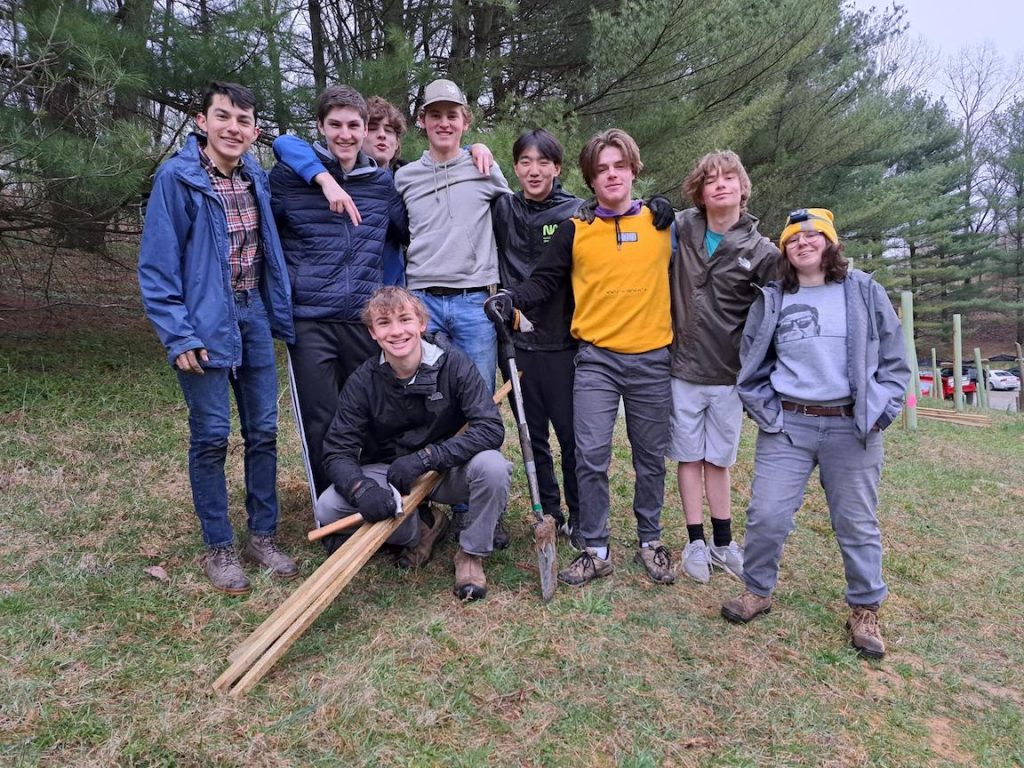
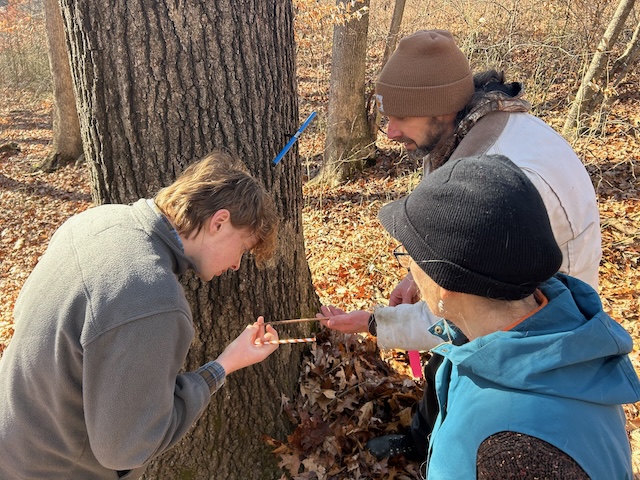
We welcome educational use of our preserves, provided that it does not impair the conservation values of the land, jeopardize the health of uncommon native species, or harm individual animals.
- We ask that instructors notify us (info@athensconservancy.org) before or shortly after bringing a class to a preserve. Please include the school and course name, the purpose and/or description of the activity, and the number of students. This notification should ideally be at least 24 hours in advance.
- Groups larger than 20 people require permission from the AC Board of Directors.
- There are no restrictions on the collection of non-native plants. If material of native plants is gathered for class use, the minimum amount needed for the class should be collected. The underground parts should not be collected unless they are essential for identification—and then, only if the species is common at that site. Collection of material from state-listed (endangered, threatened, or potentially threatened) plants for class use is prohibited.
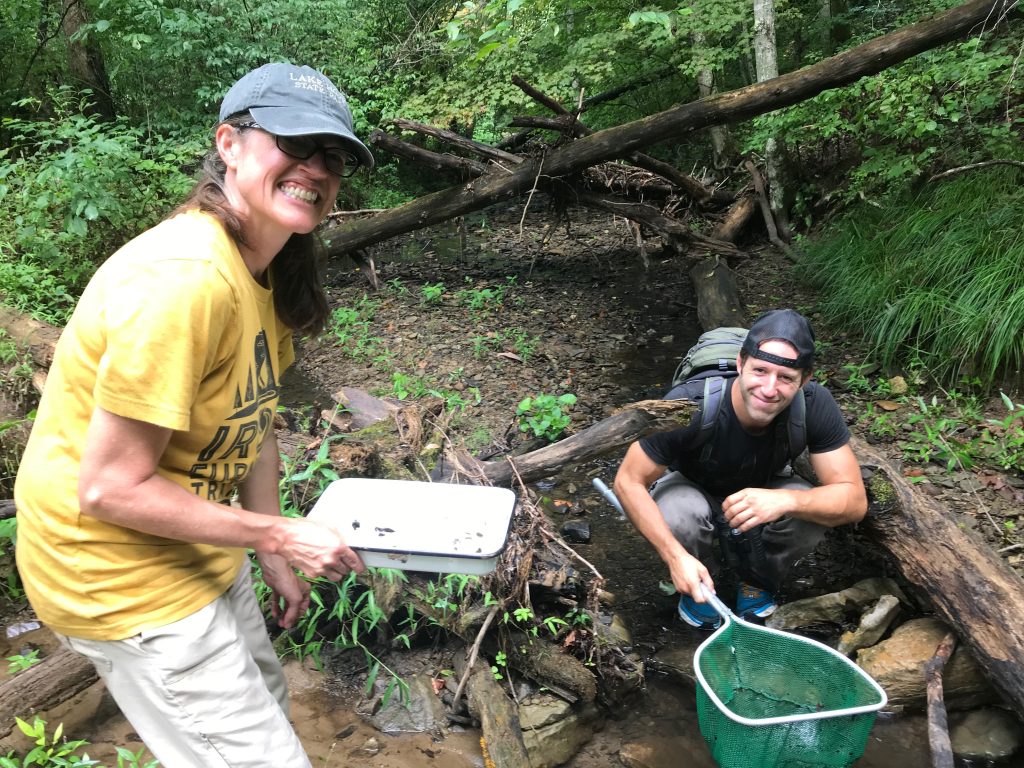
- In general, animals (including invertebrates) should be observed on site and receive minimal handling. Capture of live animals is permitted only in college courses. If live animals are captured and temporarily removed, they must be maintained in a teaching lab for the minimum time needed to ensure that all of the students in the course have a chance to examine them, and then released at the capture site; they should never be kept more than 7 days. The class instructor must have the appropriate ODNR permits to capture live animals.
- In order to avoid spreading pathogens and invasive species, all equipment used in aquatic ecosystems must be sanitized at the end of each day or if transported and used between water bodies or river basins.
- If rocks or logs are picked up to search for animals, they must be returned to their original positions.
- We ask that instructors email us (info@athensconservancy.org) any species lists they or their students assemble in connection with educational use of our preserves.
Research
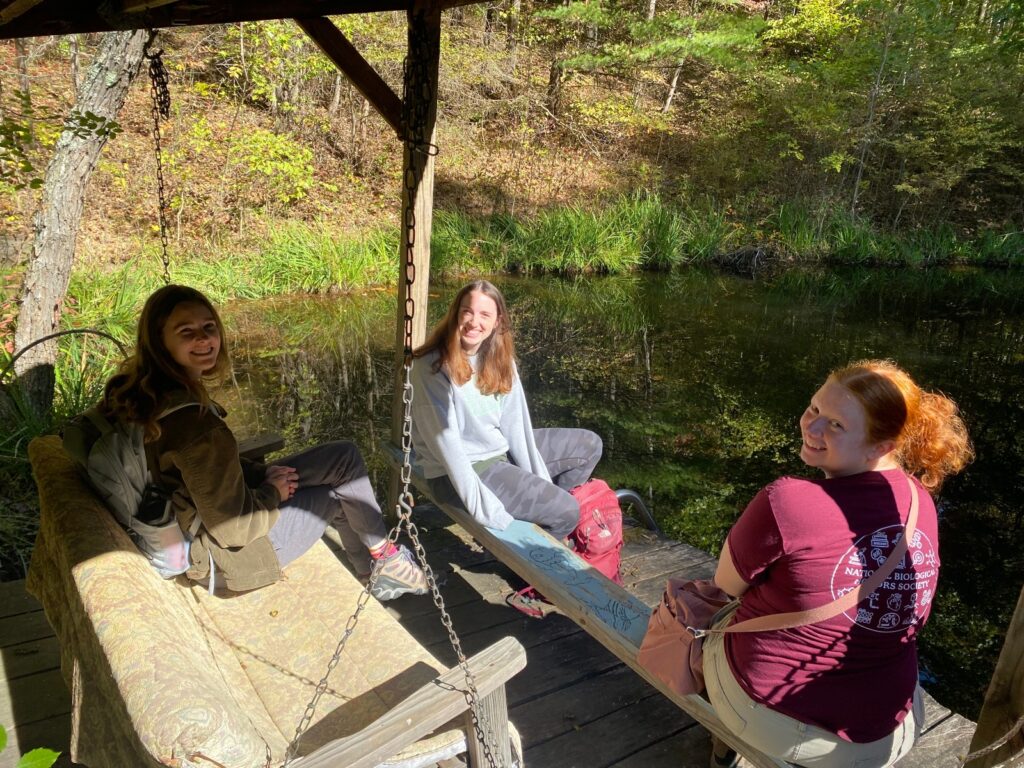
We welcome academic research in our preserves, especially research that documents biodiversity or will inform land stewardship activities. Research projects by students are encouraged under the direction of a faculty principal investigator. Prior to beginning the research, the principal investigator must submit a written proposal to the AC Board of Directors (info@athensconservancy.org) for review. Only after approval can the research activity be initiated. At the conclusion of the research, a final report describing all activities and results must be submitted to the AC Board of Directors.
See also the following section on collecting related to research.
Collecting of Plants, Animals, Minerals, and Historical/Cultural Resources
The collection of plants, wildlife, minerals, and historical/cultural artifacts from AC property by the general public is not permitted, with the exception that edible fruits and mushrooms may be collected for personal (i.e, not commercial) use. As an exception to this general policy, the collection of plants, wildlife, minerals, and historical/cultural artifacts from AC property may be permitted as part of an academic investigation under the following conditions:
- The investigation must be conducted by a qualified researcher or a student under the supervision of a qualified researcher.
- The investigator must submit a proposal to the AC Board of Directors including: (1) the scope and intent of the research; (2) the parties involved; (3) the research time frame; and, (4) what will be collected from AC property and by whom.
- AC staff will review the proposal to determine whether the preserve’s conservation values are adversely impacted by the collection. In the case of cultural and historical artifacts, the Board may ask an independent expert to assess the value of the project before granting permission.
- If the collecting is approved, the researcher must agree to share the data and all other relevant information regarding samples found on AC property if requested by the Board of Directors.
- The researcher must also agree to not divulge information regarding the precise location of any endangered or threatened species or sensitive cultural artifact found on AC property.
- The researcher must have all applicable scientific collecting permits.