Invasive species
The management of non-native invasive plant species is a key component of Athens Conservancy’s stewardship program and its mission. The objective of our invasive plant species management activities is to minimize the presence of invasive species in selected areas so native plant species can thrive. Unfortunately, invasive species reduce or eliminate native plant species, negatively influencing the function and resiliency of our ecosystems.

An ongoing task is to detect and monitor Athens Conservancy preserves for the presence and abundance of invasive species. Our land stewardship staff, experienced board members, and volunteers conduct this task with help from citizen scientists and other individuals. The nature of invasive plant species requires this work to be conducted in diligent and timely manners.
Once located, we develop an approach to reduce or eliminate the spread of invasive plant species. Athens Conservancy uses methods focusing on manual removal of the invasive plants, minimizing the use of herbicides. The approach also reduces the risk of spreading the invasives, and increases the goal of reestablishing native plant communities.
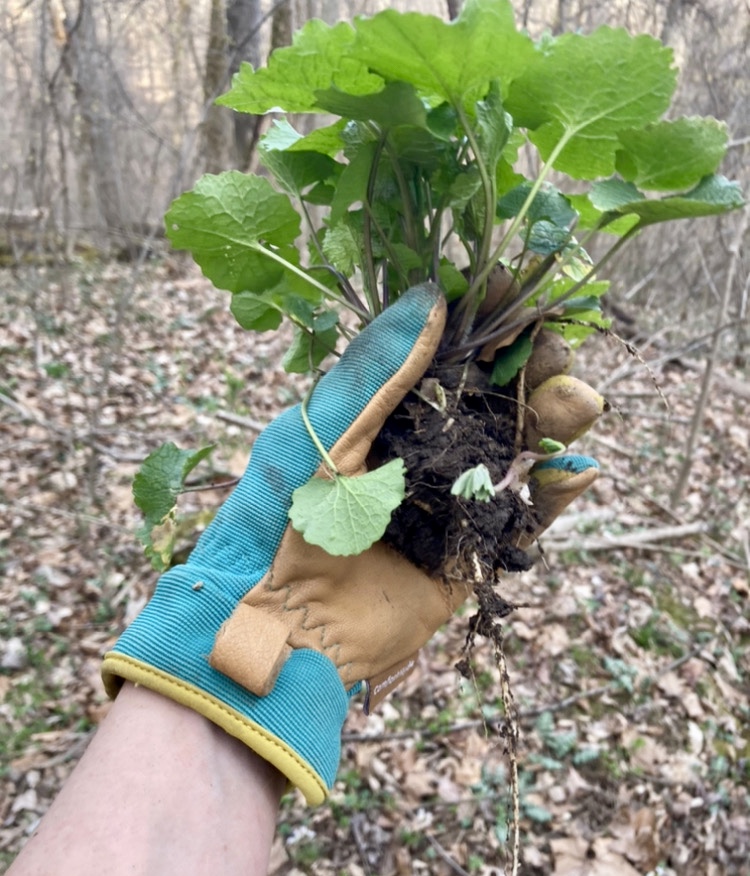
Since the inception of Athens Community priority has been placed on managing several invasive plant species. These include garlic mustard, Autumn olive, multiflora rose, Tree of Heaven, and more recently lesser celandine. Activities have focused on the Baker, Blair, Bluebell, Lindy Roosenburg, and Mary Beth Zak Lohse preserves.
A promising project on the Blair Preserve has been an attempt to reestablish native plant species in an area previously dominated by invasive species. These invasive plant species — privet, winged euonymus, multiflora rose, and Asian bittersweet — have been largely removed and eliminated because of hundreds of hours of work by the stewardship team. This project is a prime example of the time and resources needed to manage a single area of invasive species infestation.